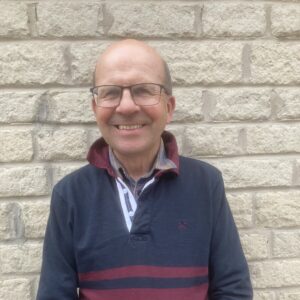

After leading more than 1,000 funerals Phil Jaekel has learned that no life is ordinary.
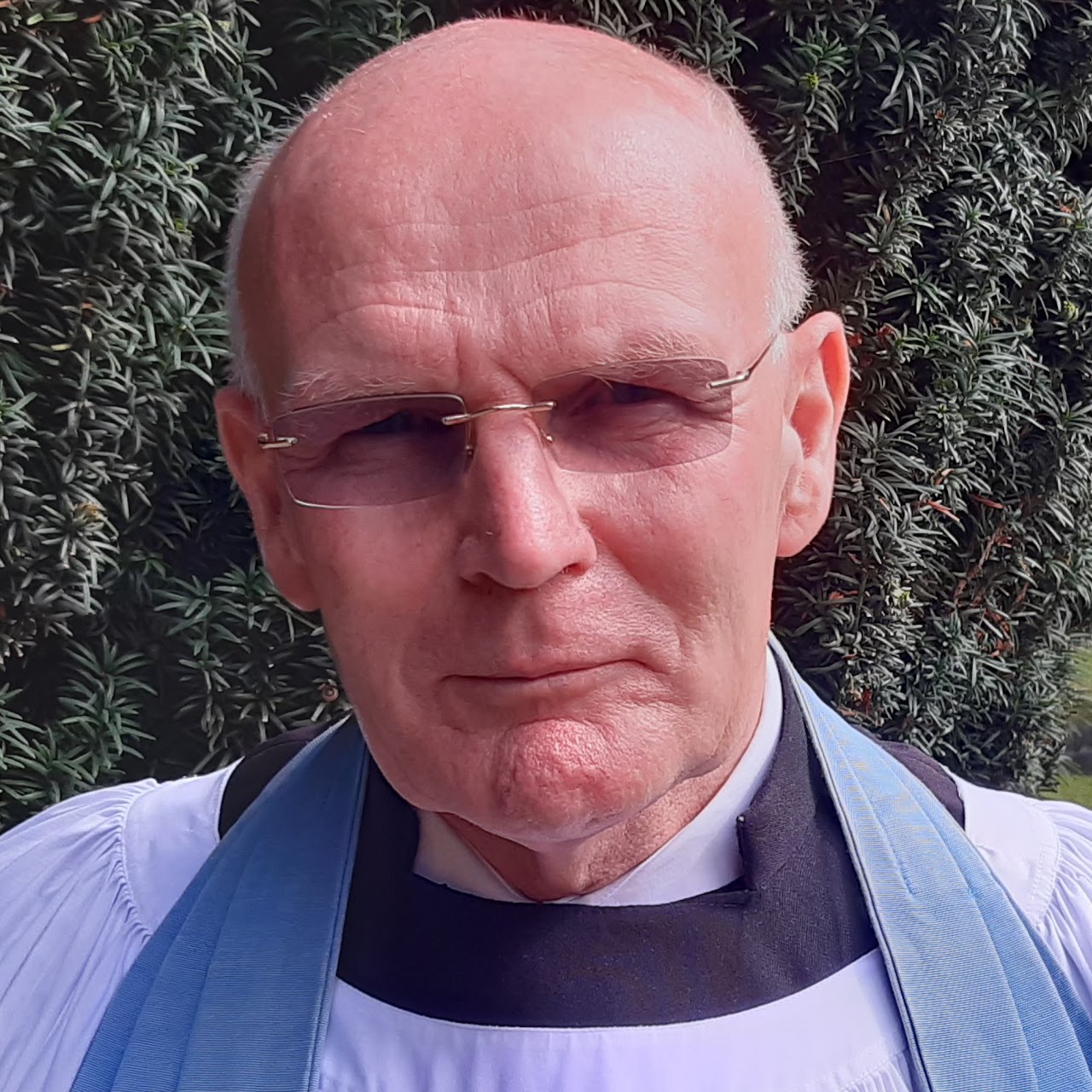
As a Reader and Lay Funeral Minister in the Diocese of Gloucester, Phil has stood alongside families in moments of grief, gratitude, laughter, shock and love. Each funeral has been different, but each one has reminded him of the same truth: every person has a story, and every life is worth remembering.
Phil, one of the founder members of the Diocese of Gloucester Funerals team, recently led his 1,001st funeral service. He reflects on what a thousand funerals have taught him about grief, comfort and the value of life.
What brings comfort when someone dies?
“I suppose it’s being there. You don’t always have to say a lot. It’s more important to listen to the whole person – what they say, what they don’t say, and observe their body language.
“When I’m preparing a funeral, I ask people for single words that describe the person: loving, kind, funny, caring. What was their sense of humour? What did they enjoy? How did they deal with conflict? Everyone is different.
“I try to paint a word picture so that people recognise the person they knew.
“Offering spiritual support, prayer and giving a message of faith, hope, and love are also key to my ministry – any way that I can build bridges to the story of God’s love and hope in Jesus.”
What surprises people about grief?
Across all those funerals, Phil has also learned that grief looks different for everyone, but the need to remember and honour a life remains the same.
“You can have somebody who seems incredibly tough, who holds everything together, and then suddenly the emotion comes. It’s really okay not to be okay at a funeral.
“We have this British tradition of keeping a stiff upper lip, but grief needs to be expressed. One of the things we say quite early in the funeral service is that we are here to comfort one another in our grief, and I think that’s really important.
“Some of the most difficult funerals are those of babies and children. There are no easy words for that kind of loss, and the parents will carry it with them forever. At the other end of life, I once conducted the funeral of someone who was 106 and still cycling at 103. Their service was a real celebration of a life well lived.”
What makes a funeral meaningful?
“Grief isn’t only about the length of a life or the number of people at a funeral. I’m equally conscious of those whose lives might otherwise go unnoticed or who are isolated. Someone who has become isolated might not have any family or friends – there may be nobody or only a handful of people who attend.
“I’m uncomfortable doing funerals where I don’t know anything about the story of the individual. It’s a life and deserves to be remembered well so I’ll do some research, get in the car, go to the care home if that’s where they were, or find where they used to work, and speak to somebody who knew them. I’ll ask what they were like, what they enjoyed, what hobbies they may have had. The answers may be basic, but it’s good to put some words together.
“Even when there’s nobody else there, I want to celebrate that person’s life, whoever they were.”
For Phil, that is the heart of funeral ministry – to honour each story and to hold every life in the light of God’s love.
If your loved one has died, you can contact your local Church of England church at AChurchNearYou who will offer support.

 News Hub