
This report summarises the key discussions, decisions, and outcomes from the February 2026 sessions of the General Synod, highlighting matters of interest arising from representatives’ contributions.
Introduction
“This was another very busy Synod, covering a wide range of business much of which is summarised below. We welcomed our two newly elected representatives, Ellie Grice and Revd James Turk to their first Synod and Bishop Robert representing Southern Suffragan bishops. Archbishop Sarah received a very warm welcome to her first Synod in the role and we heard her first Presidential Address.
“We hope these notes are helpful but, as ever, you can find the papers in full on the Church of England website by searching for General Synod.
“We want to share with you James’ reflections which we all felt sum up the nature of Synod beautifully. “It is strange, frustrating, procedural and occasionally chaotic – but at its heart it is the Church attempting, imperfectly and prayerfully, to discern together. Lay, clergy and bishops. Voices from everywhere. That is no small thing. I think that in an age that worships strong individuals the Church still says: we decide together. That’s actually radical”. “
Living in Love and Faith (LLF)
“This, along with the next two items, was a key topic continued from previous Synods.
“Prior to the LLF debate, there was a presentation on the work undertaken so far. There was acknowledgement of the generous, gracious, constructive and collaborative work that has taken place in efforts to bring clarity alongside pastoral sensitivity. The general message was how hard it is to disagree with those whom we love as we seek to embody unity in difference. It has been resolved that the Prayers of Love and Faith (PLF) will continue in use in existing services, but that the introduction of standalone services would require a change in Canon Law.
“The Living in Love and Faith debate proved to be painful. The motion included recognition of the distress and pain suffered by many and that was echoed in the speeches. The Prayers of Love and Faith remain in use for those who wish to use them but the questions remain around what work will follow, and whether there will be formal reassurance for those whose choice in this is at variance with that of their Bishop. The House of Bishops has established a Relationships, Sexuality and Gender Pastoral Consultative Group for continuing work, but the LLF Programme will conclude by July 2026 though all the materials generated during the programme will remain available.
“There was a general atmosphere of sadness in the chamber from those on all sides of the debate – and there were sides being taken, though these were generally held with respect. However, there were also some positives, not least from Archdeacon Katrina who spoke of love, gratitude and hope.”
Church Safeguarding Structures – Next Steps on Implementation
“In February 2025 the General Synod voted decisively for greater independence in the Church of England’s management of safeguarding. This report set out the work that has been done since then to turn this decision into reality and, in particular, to deliver change at pace. The working group developing this is chaired by Dame Christine Ryan who has no connection with the church – this independence is crucial to the credibility of the work. She spoke forcefully about the necessary direction of travel but also recognised the work already done. The key elements of the report were:
- A vision for a new charity to be operationally independent of the Church of England and led by a Chief Safeguarding Officer whose operational responsibilities will be a protected function of the charity.
- A plan for a new, standardised complaints handling process which would have a mandatory process for each DBF and other church bodies to follow and a national external ombudsman-style body to resolve complaints when the Church’s internal processes are exhausted.
“These proposals succeeded in bringing together the range of views that had divided Synod in February last year, probably in part because the outline structure showed a balance between full independence for all central functions, complaint etc but maintains strong local links for Diocesan Safeguarding staff. The proposal was passed almost unanimously, with only a handful of votes against or abstentions.”
Clergy Conduct Measure
“This Measure, that replaces the current Clergy Discipline Measure, had received its final approval at the Synod in February 2025 and had been referred, as required for legislation of this sort, to the Ecclesiastical Committee of Parliament for their approval. However, they had raised a concern that a tribunal or court in the process would, by default, sit in private and only by exception in public and had therefore not approved the Measure. It was therefore reintroduced to this Synod with a proposal to reverse that position: a tribunal or court would sit in public except in circumstances in which they are satisfied that it’s in the interests of justice to sit in private. This was passed and so the Ecclesiastical Committee will receive the revised Measure to consider.”
Working Class Vocations and Ministry – Next Steps
“The Synod unanimously passed the Working Class Vocations and Ministry – Next Steps motion. The debate on Friday 13 February was marked by striking goodwill and honesty. Members shared personal stories of their own journeys through discernment, selection and training — stories that carried both gratitude and challenge.
“Several spoke candidly about cultural and structural barriers that can make pathways into ordained and lay ministry feel unfamiliar, and at times inaccessible, to those from working-class backgrounds. There have been accounts of navigating selection panels, academic expectations, language and assumptions that did not always feel natural or intuitive. For some, the process required learning to inhabit a culture that was not their own.
“Alongside these challenges came deep gratitude — for those who recognised gifts, advocated faithfully, and helped open doors for those pursuing their calling.
“The unanimous passage of the motion signals a shared commitment across the Church of England to address these questions constructively. It calls for continued listening to those with lived experience and invites the House of Bishops and Bishops’ Council to consider practical steps to ensure that vocation and leadership better reflect the breadth of the communities we serve.
“This is not about lowering standards. It is about removing unnecessary barriers and recognising gifts wherever they are found. Working-class voices are not an optional extra in the life of the Church; they are integral to its faithfulness and mission.
“The next phase will require careful listening, honest examination of current processes, and a willingness to identify cultural assumptions that may unintentionally narrow the field of discernment. The hope expressed in Synod was clear: that calling and character — not cultural familiarity — should shape who is encouraged, trained and released into ministry.”
Sustainable Church Flowers
“This was a Diocesan Synod motion brought forward by Worcester Diocese and was introduced with a video from Shane Connolly, who worked on the King’s Coronation and royal weddings, showing how arrangements can be both beautiful and environmentally responsible. The Revd Martin Gorick, Bishop of Dudley and a patron of the movement, commended the motion as a practical outworking of the Fifth Mark of Mission: safeguarding the integrity of creation, and helping flower teams of the nation’s churches and cathedrals to glorify God while caring for creation.
“The Motion passed, committing the Church to the principles of the Sustainable Church Flowers movement, supporting environmentally conscious floristry and encouraging churches and cathedrals to use seasonal, locally grown flowers wherever possible. It calls for creative approaches that avoid non-biodegradable floral foam (oasis, etc.) and for a rediscovery of traditional, environmentally friendly methods—without introducing formal bans on existing practices.”
Re-imagining Care
“The Archbishop of Canterbury proposed a motion highlighting the challenges being faced in the care sector and the government’s manifesto promise to create a National Care Service. The report of the Archbishops’ Commission (an excellent read) was endorsed whole-heartedly and the importance of community, not least through the amazing work done by parishes across the country, was commended.”
Mental Health and the Church
“The Chair of the House of Laity, a GP, highlighted the issue of mental health in the population and reinforced the link between spiritual and mental well-being. The statistics were stark but we were urged to seek small ways we can help those with whom we come into contact. There was a particular push to create training, especially in relation to schools; to ensure liturgy holds these challenges in mind, and ensuring clergy are aware of the support available to them when they are facing mental health challenges of their own.”
Poverty and the Church: 40 years after Faith in the City.
“Forty years ago the church published a report entitled ‘Faith in the City’. This motion affirmed the value and impact of that report, gave thanks for the work done by churches and communities to alleviate poverty and repeated the church’s commitment to ending poverty in all its forms whilst asking questions of ourselves, our political, society and business leaders about the unjust structures and decisions which cause and exacerbate poverty, in line with the third and fourth marks of mission. There was a concern that the amendments proposed might water down the impact of the motion, by highlighting some particularly affected groups, but in the end the only amendment carried was that which stressed the disproportionate impact of poverty on those in some ethnic communities.”
Parochial Fees Order 2026
“This order has to be made periodically to set the statutory fees payable for baptisms, marriages, funerals, burials etc. Most controversial was a proposed increase in burial fees of £1,000, to make them comparable to burial costs outside the Church whilst providing greater financial benefit to parishes. This led to a lengthy debate of a number of amendments with it quickly becoming clear that this particular change was not going to be approved by Synod. Members emphasised the importance of keeping funeral and burial fees accessible, highlighting the potential damage to ministry at times of bereavement, particularly as funerals are a known source of church growth.
“Synod voted overwhelmingly to reject the £1,000 increase, but approved the fees for the other occasional offices. Synod was thanked for its patience and diligence in this lengthy debate which provided important certainty of parochial fees levels for the next few years.”
Liturgical business – Festival of God the Creator and Commemoration of the Twenty-one Martyrs of Libya
“It was a joy at this Synod to consider some liturgical business. This item reported back to Synod on further work done since the July 2025 Synod approved in principle the addition of these events to the church’s Calendar. Proposed liturgies were outlined in the paper.
“The Festival of God the Creator, known by the Roman Catholic Church as the Feast of Creation in Christ, is to be celebrated annually on the first Sunday in September.
Commemoration of the Twenty-one Martyrs of Libya will be added to the church calendar on 15 February. The latter has strong ecumenical links to our Orthodox and Coptic sisters and brothers.
“Synod asked the House of Bishops to take the next steps to ensure this happens.”
Other items
Church Funding Update
“There was no debate on this issue at this Synod but a “Miscellaneous” paper was provided updating the position since the motion passed at the July 2025 Synod. GS Misc 1443 raised concerns about how the Funding Framework required by that motion would be shaped and the role of General Synod in shaping it. A full debate is proposed for July 2027. A number of questions and concerns about the proposed approach and the timing of the next debate were raised in the Questions sessions and the debate on the Business Committee report.”
Synod Matters
“Synod approved the continuing arrangements for hybrid meetings (in person and online) that were brought in during the Covid period, but have now been made permanent. It also approved the seat allocation for the new Synod to be elected later this year and its future meeting dates.
“A Code of Practice on Mission Initiatives was approved, which ensures that new church styles and structures are well-integrated into the standards and processes of the wider Church without impeding their creativity.
“The inclusion of Readers in the National Ministry Register was also welcomed and approved.”
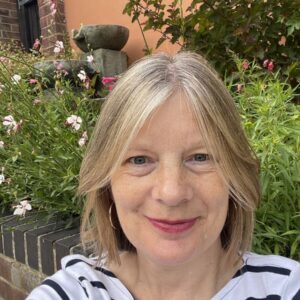
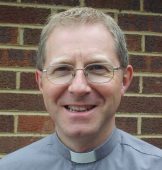
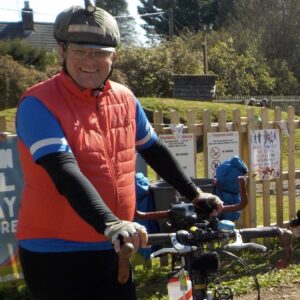
Ven Katrina Scott
Revd Dana Delap
Revd James Turk
Karen Czapiewski
Ellie Grice
Robert Mc Neill-Wilson
Margaret Sheather
 News Hub