
The word Ebola strikes fear into people’s hearts – but the work of local organisations, with the support of their global faith-based partners, is also bringing hope.
In the Democratic Republic of Congo (DRC) more than 700 people have died in the third largest Ebola outbreak, centred around Ituri province. There are almost 2,000 cases confirmed but ongoing conflict and displacement make it hard to confirm numbers and increase the risk of regional outbreaks.
And yet, in the midst of the grieving, the fear and the misinformation there is positivity and work is going on to change things.
Christian Aid’s partners, Communauté Baptiste au Centre de l’Afrique/Baptist Community in Central Africa (CBCA) and Ecumenical Development Support Office (BOAD) are helping to share life-saving public health messaging to reach more than half a million people.
With Irish Aid funding, projects are being set up to inform, support and encourage people to try to stop the spread of this deadly disease. As well as messaging about how to stay safe, hygiene kits are being distributed, containing items such as soap, water treatment tablets and face masks.
In the DRC, decades of conflict and political instability have fuelled one of the world’s largest humanitarian crises of our time. Millions live in overcrowded, unsanitary, makeshift conditions with limited access to food, clean water and electricity. Vital infrastructure has been attacked, including hospitals, banks, schools and markets.
This is the 17th Ebola outbreak but the first which started in Ituri. Treatment centres and hospital isolation units have been set up but there is currently no vaccine for this rare strain, known as the Bundibugyo variant.
Health workers are attempting to prevent the spread although a lack of clean water for basic hygiene makes this a challenge. On top of this, misinformation is leading to attacks on health centres, and fear among communities means people may not always seek treatment or understand what they can do to prevent spreading the disease.
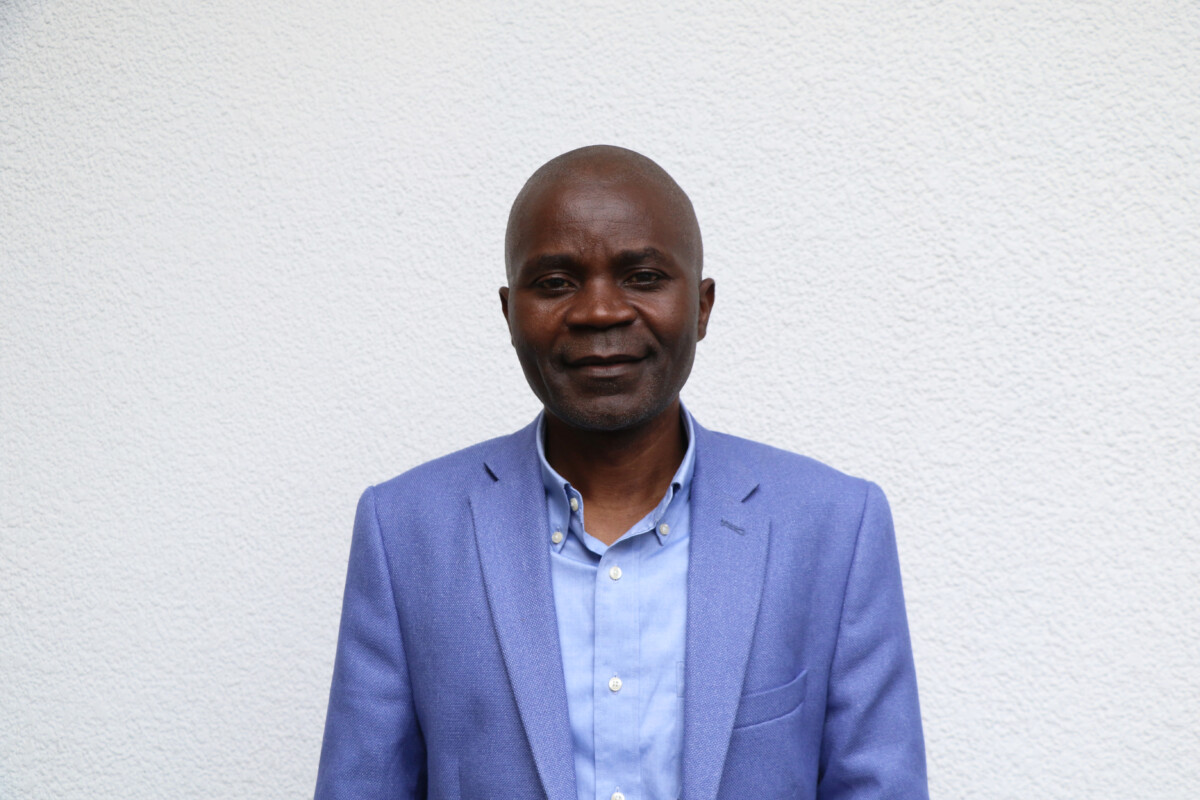
Dr Isaac Muyonga is Director of the Health Department for the CBCA and Professor of Community Health at the Université Libre des Pays des Grands Lacs.
He explained the CBCA works with nearly 120 trusted community leaders, including pastors and priests, and community health workers. They organise awareness sessions in churches, schools and markets to share information – in local languages (Swahili/Lingala) – on how to prevent the spread of Ebola, and to encourage anyone with symptoms to seek medical care.
Dr Muyonga said: “There is a treatment which is being tried, but locally there is no vaccine for Bundibugyo strain.
“It is important to treat those who are sick, but it is much more important to stop the transmission chain by putting in place a community-based program with trusted people, mostly community leaders, church leaders and political leaders. Their support keeps us going.”
The information sessions explain the most important aspects to an outbreak are early identification, isolation of those who are sick and those at risk, contact tracing, and safe burials; these core public health messages break transmission when there is no vaccine.
Dr Muyonga and the teams help raise awareness of symptoms and encourage people to contact health centres immediately when any symptoms appear. He said it is vital to build trust with communities to combat misinformation and superstition which can mean people reject medical aid in favour of traditional practices.
The CBCA encourages people to avoid contact with bodies of people who died with symptoms; avoid contact with dead animals, as well as avoid eating raw or undercooked meat; and practise social distancing and regular hand washing.
Dr Muyonga explained the CBCA is a faith-based organisation which runs 161 health facilities including hospitals, clinics and dispensaries, 831 schools, from kindergartens to colleges, and many social projects on areas such as mental health and food security.
He said: “Today, the church intervenes in three ways: first, churches and their leaders are embedded in local communities, trusted and respected. Second, churches are the main providers of hospitals and schools. Third, churches can speak to the hearts and minds of the people they serve to address the issues of fear, confusion, and suspicion related to Ebola.”
But he added that things need to change in the future: “The DRC needs a strong, community-based health system to stop the cycle because this is the 17th outbreak; given that the world has become a small village, this disease can easily cross the border.
“The fact that there are those who are healed and released from the hospital brings hope – because they arrived in time to get help.”
Christian Aid’s partners, like CBCA, Bureau Œcuménique d’Appui au Développement (BOAD) and the Eglise Anglicane du Congo, led the response to the 2019 Ebola outbreak and the 2025 Mpox crisis. They know the communities, the trusted messengers and the channels that stop transmission.
With your support, our partners can:
- Reach 350,000 people with safe health messages
- Fund community health workers visiting churches, schools and markets with Ebola prevention information
- Provide 1,200 families (around 6,000 people) with hygiene kits containing soap, buckets and jerry cans for handwashing
- Set up nearly 50 public handwashing points to slow transmission
 News Hub